Quick Answer
When a parent leaves the stove on or wanders, immediately ensure they are not left alone and remove hazards. Schedule an urgent medical evaluation to check for cognitive decline or other medical issues. These behaviors are serious safety risks that require a clear and immediate action plan.
Why This Is a Serious Safety Issue
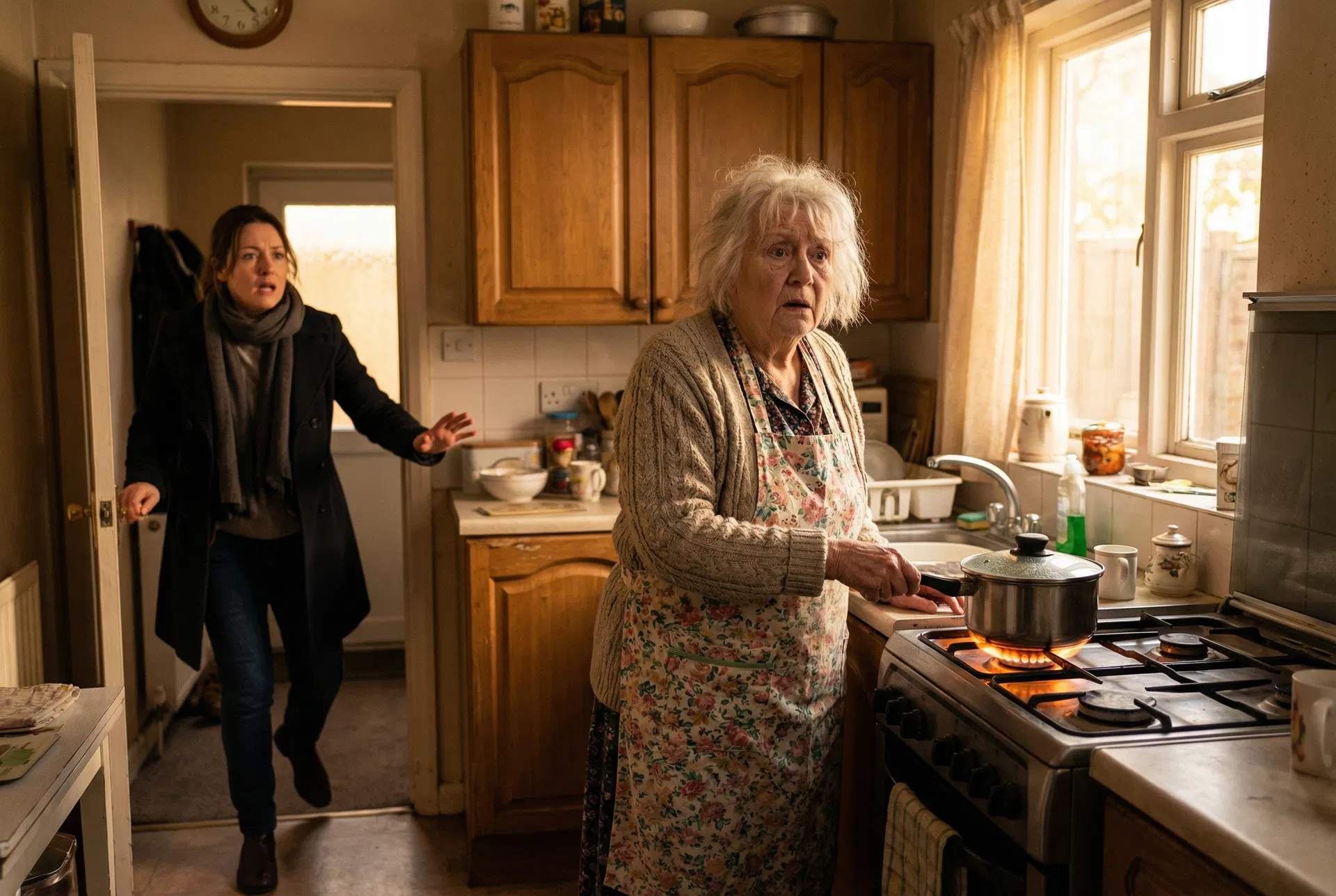
Leaving the stove on and wandering are not just inconveniences — they are serious safety emergencies. Both behaviors indicate that a person with dementia can no longer be left unsupervised, even briefly. If you are seeing either of these behaviors, the time for gradual planning is over. Here's what to do now.
- Fire risk — An unattended stove is one of the leading causes of home fires among seniors. The consequences can be catastrophic.
- Getting lost or injured — Wandering in Los Angeles traffic or unfamiliar neighborhoods can be life-threatening. The risk of falls, dehydration, or accidents is extremely high.
- Medication issues — Cognitive decline that causes wandering often also affects medication management, a common issue when a parent refuses assisted living.
- Rapid escalation — These behaviors tend to worsen, not stabilize, without intervention, which is why recognizing the early signs of dementia is so important.
What This Typically Signals
The stress of a parent leaving the stove on or wandering is overwhelming. In most cases, these actions signal significant underlying health issues that require immediate attention.
- Dementia or cognitive decline — Alzheimer's, vascular dementia, or Lewy body dementia are the most common causes. These conditions impair judgment, memory, and orientation.
- Medical issues — A urinary tract infection (UTI), dehydration, or medication side effect can cause sudden confusion that mimics dementia. This is a critical distinction to make.
- Sleep disruption — Sundowning (increased confusion in the evening) often triggers nighttime wandering and is a hallmark of certain dementias.
- Disorientation — Your parent may genuinely not know where they are or what time it is, leading to unsafe actions.
Before assuming a permanent care change is needed, it is essential to rule out reversible medical causes. However, you must not delay safety measures while you investigate. This is a common challenge when considering assisted living vs in-home care.
Is your parent at risk? Get urgent care options now.
We help Los Angeles families find available care options within 24–48 hours.
Most families wait too long — and end up making rushed, expensive decisions.
Compare options before you commit
Immediate Safety Actions (Do This Now)
What works best is a systematic approach to securing the environment. Do not wait. Take these steps today.
Do not leave them alone
Until you have a safety plan in place, ensure someone is with your parent at all times. This may mean temporarily staying with them, hiring emergency home care, or learning how to move a parent to assisted living quickly.
Remove or disable hazards
Disable the stove (turn off the gas or remove knobs), remove sharp objects, lock up medications, and secure cleaning products. This is non-negotiable.
Get a medical evaluation immediately
Call the primary care doctor today. Request an urgent appointment and ask specifically about cognitive testing and ruling out reversible causes of confusion like UTIs.
Secure exits
Install door alarms, door knob covers, or a simple door alarm that sounds when opened. In LA, a parent who wanders outside faces serious traffic and navigation risks. This is a key part of creating a daily routine for dementia patients.
Document every incident
Write down dates, times, and what happened. This record will be essential for the doctor and for any care placement process, especially when discussing dementia aggression and paranoia.
When This Becomes a Safety Crisis
It's crucial to recognize when the situation has moved from a concern to a crisis. If you observe any of the following, you must escalate your response immediately. This is no longer a situation that can be managed passively.
- Multiple incidents in a short period: Forgetting the stove once can be an accident; twice in a week is a pattern indicating a serious problem.
- Leaving the house at odd hours: Wandering at night or in the early morning is particularly dangerous and a strong indicator that home is no longer a safe environment.
- Close calls or actual injuries: A small burn, a fall while wandering, or getting lost and needing help to get home are clear signs the current situation is unsustainable.
- Your own health is suffering: If your anxiety and stress levels are unmanageable because you are constantly worried, it is a sign you need more support. It may be time to consider the cost of assisted living vs home care in LA.
Key Takeaways
- ✓Leaving the stove on or wandering are urgent safety crises, not minor memory lapses. Act immediately.
- ✓Your first step is to ensure 24/7 supervision while you arrange for an urgent medical evaluation to rule out reversible causes.
- ✓Disable hazards like stoves and secure all exits to prevent immediate danger while you create a long-term plan.
- ✓Document every incident in detail. This information is critical for doctors and for determining the right level of care.
- ✓Recognize that these behaviors often signal the need for a higher level of care, such as memory care, to ensure safety.
What to Do Next
- Call for a family meeting: Involve siblings or other key family members immediately. Use our guide on what to say when a parent needs care to frame the conversation.
- Schedule the doctor's appointment: Do not delay. Emphasize the urgency of the situation (wandering, stove incidents) to get seen quickly.
- Contact a care advisor: Use our free service to understand local memory care or in-home care options in Los Angeles that are available now.
- Explore financial options: Researching how to pay for assisted living with no money can prepare you for the costs associated with a higher level of care.