Overview
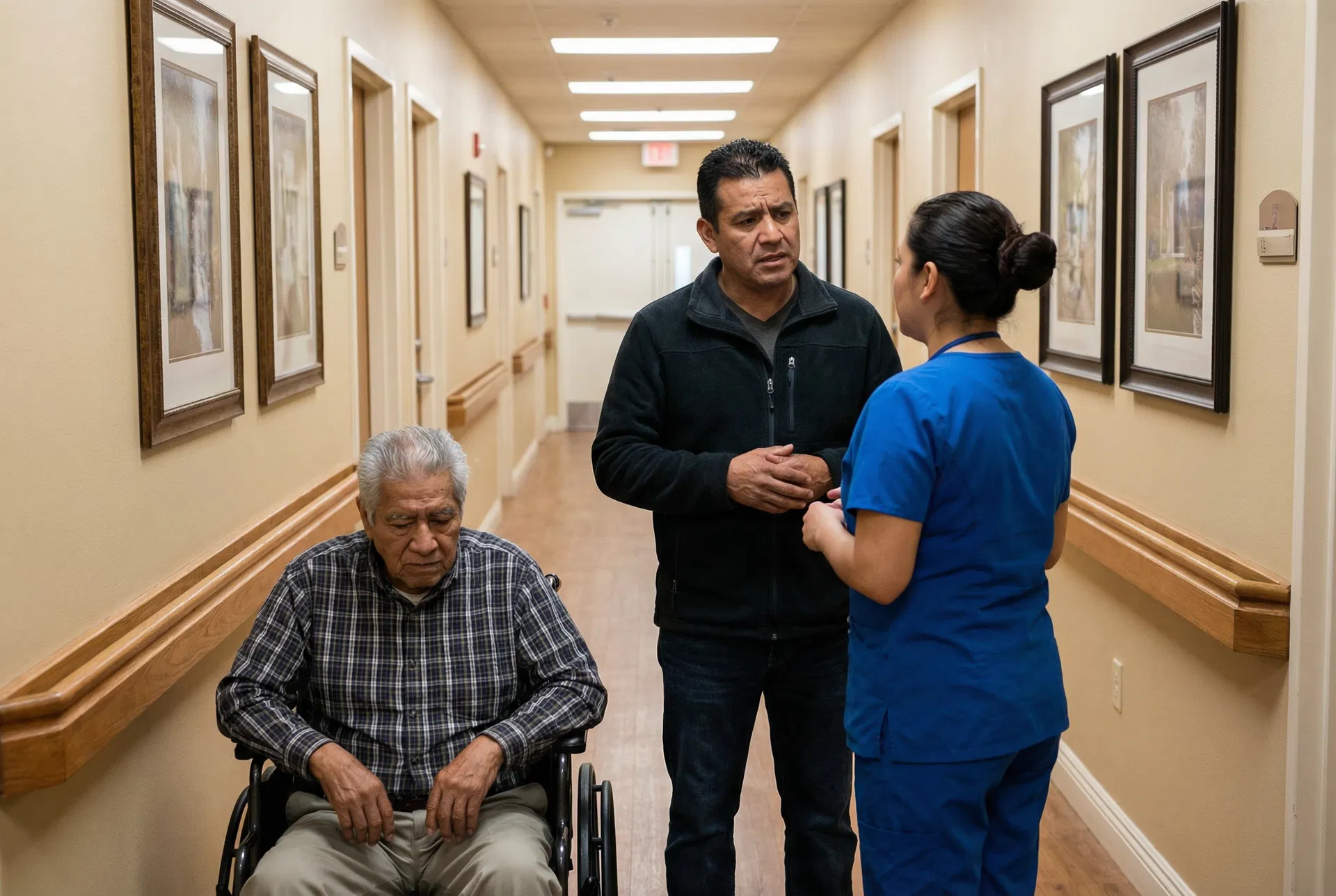
The emotional transition is often harder than the logistical one. The paperwork and planning are manageable. The feelings take longer.
When facing an **assisted living discharge** in Los Angeles, families often feel overwhelmed and unsure **what to do**. This practical guide provides decisive, expert-level answers on **how to handle** an assisted living facility discharge, outlining the critical steps to take immediately to protect your loved one and secure **urgent placement**.
**The reality is**, understanding why a discharge happens and **when to act** immediately to protect your loved one is paramount. Acting fast gives you the most options and can significantly impact the outcome.
Quick Answer
An assisted living discharge occurs when a facility determines it can no longer meet a resident's needs or other conditions are violated. To handle it, immediately review the notice, understand your rights, and seek urgent alternative placement while exploring appeal options.
Common Reasons for Discharge
Most information online is either too generic or steers you toward a specific decision. This is meant to help you think it through at your own pace.
Assisted living facilities can and do discharge residents — and when it happens, families often have less time than they expect to find an alternative. Understanding why discharges happen, what your legal rights are, and what steps to take immediately can make the difference between a managed transition and a crisis placement.
Increased medical needs
Needing skilled nursing, wound care, or 24-hour medical supervision beyond what the facility is licensed to provide.
Behavioral issues
Aggression, wandering, or behaviors that create safety risks for other residents or staff.
Non-payment
Falling behind on monthly fees. Facilities typically give 30 days' notice but can move faster in some cases.
Safety concerns
Repeated falls, elopement risk, or situations where the facility cannot safely manage the resident's needs.
What "Notice" Looks Like
In California, assisted living facilities (licensed as Residential Care Facilities for the Elderly, or RCFEs) are required to provide written notice before discharge. The notice must include:
- A written explanation of the reason for discharge
- A timeline — typically 7–30 days, though urgent safety situations may allow shorter notice
- Instructions for next steps and appeal rights
**What works best is** to always request the notice in writing immediately if you receive a verbal notice only. Understanding your rights in this process is crucial. If you're also dealing with a parent who refuses assisted living, understanding these rights becomes even more critical. when a parent refuses assisted living.
Need help with this right now?
We help families navigate discharge situations and find urgent placement quickly.
Get Help Understanding Your OptionsWhat to Do Immediately
The moment you receive an assisted living discharge notice, the clock starts ticking. **Families often make this mistake** of waiting too long to act. Here's the decisive order of actions you must take:
Get the written notice
Request it in writing if you haven't already. Document the date received and the stated reason.
Talk to the facility
Ask specifically what triggered the discharge and whether any care plan changes could reverse the decision. This is also a good time to consider what to say when a parent needs care in difficult conversations.
Request appeal or review
California law gives residents the right to appeal. Ask the facility administrator for the formal appeal process.
Contact the doctor
The physician may be able to provide documentation that supports a different care plan or level of service.
Reach out to the ombudsman
The Long-Term Care Ombudsman program in LA County provides free advocacy. Call 1-800-334-9473.
Start looking for placement immediately
Don't wait for the appeal outcome. Begin identifying alternatives in parallel so you're not scrambling at the deadline. For urgent situations, explore finding assisted living fast in Los Angeles.
Emergency Placement Options
If you need to move quickly due to an assisted living discharge, these options can bridge the gap while you find a permanent solution. This is especially critical if you're also navigating hospital discharge planning for seniors.
- Skilled nursing facilities — can accept medically complex residents quickly, often within 24–48 hours of hospital referral
- Hospitals (short-term) — if there's an acute medical need, a hospital stay can buy time while you search
- Board-and-care homes — smaller, more flexible settings that may accept residents with higher needs
- Respite stays — some assisted living and memory care facilities offer short-term stays of 30–90 days
When considering these options, it's important to understand the cost of assisted living vs home care in LA to make an informed decision.
How to Avoid Discharge
For families whose parent is currently in assisted living, proactively taking these steps can significantly reduce the risk of an assisted living discharge:
- Communicate early — if your parent's needs are changing, talk to the facility before a crisis forces the issue
- Stay current on payments — set up automatic payments if possible
- Follow care plans — attend care conferences and stay engaged with the facility team
- Address behavioral issues proactively — ask about behavioral health support before problems escalate
Proactive communication is key, especially if you notice early signs of dementia or challenging behaviors like dementia aggression and paranoia. Addressing these concerns early can prevent escalation that might lead to discharge.
When You Need to Act Now
Certain situations demand immediate action to ensure your loved one's safety and well-being. Do not delay if any of these apply:
- The facility has issued an immediate discharge notice due to a safety threat.
- Your loved one's medical needs have rapidly escalated beyond the facility's capacity.
- There are unaddressed behavioral issues posing a risk to your loved one or others.
- You suspect neglect or abuse, necessitating immediate removal.
Key Takeaways
- ✓An assisted living discharge is a serious event requiring immediate, informed action.
- ✓Understand your rights and the legal requirements for discharge notices in California.
- ✓Proactively engage with the facility and explore all appeal options.
- ✓Simultaneously search for emergency placement options to avoid gaps in care.
- ✓Early communication and addressing changing needs can help prevent future discharges.
What to Do Next
- Review the discharge notice carefully and document all details.
- Contact a senior care advisor or ombudsman for guidance and advocacy.
- Begin exploring alternative assisted living facilities or care options immediately.
- Consult with your loved one's physician to assess current and future care needs.
- Gather all relevant medical and financial documents for new placements.
Related Articles
- Hospital Discharge for Seniors: First 72 Hours— What to do immediately after a hospital stay.
- How to Find Assisted Living Fast (7-Day Plan)— A step-by-step plan for urgent placement.
- Who Pays for Assisted Living?— Understand your payment options during a crisis transition.
- Urgent Care Placement in Los Angeles— Resources for families who need help immediately.
- 7 Signs It's Time for Assisted Living— Key indicators that a care transition may be needed.
- Assisted Living vs In-Home Care: Which Is Better?— Compare both options to find the right fit for your parent.
- How to Choose an Assisted Living Facility— A checklist for evaluating and selecting the right community.
Frequently Asked Questions
If you need to find a new facility quickly, read: How to Find Assisted Living Fast in Los Angeles (7-Day Plan)
Bottom Line
An assisted living discharge is undoubtedly a crisis, but it is manageable with fast, informed action. The sooner you act, the more options you will have for your loved one's continued care. **The reality is**, you should not wait for the appeal to resolve before starting your search for alternative placement. Proactive steps are essential to ensure a smooth transition and avoid gaps in care.
Get Help Understanding Your Options
We help families:
- Find urgent placement quickly
- Navigate discharge situations
- Identify safe next steps
- how much assisted living costs in Los Angeles
Free. No obligation. Same-day response available.
Other guides families have found useful:
- How to Pay for Assisted Living When You Think You Can't Afford It
- Hidden Costs of Assisted Living (What Facilities Don't Tell You)
- 7 Signs It's Time for Assisted Living (Most Families Wait Too Long)
- How to Choose the Right Assisted Living Facility (Before It's Too Late)
- Assisted Living vs Memory Care: What Most Families Get Wrong
If you want help making the right care decision for your parent, you can start with a quick care assessment.
Start a Free Care AssessmentEven early research can help reduce stress later. There is no pressure or obligation.